Recovery rarely happens in a straight line. People often arrive at treatment believing the substance is the problem and leaving it behind will solve the rest. Then the nervous system wakes up, often with a crash. Anxiety floods the day. Sleep turns shallow. Low mood creeps in without a clear trigger. The truth many learn in their first week: when the alcohol or drugs go, the emotional landscape gets louder. That does not mean something is wrong. It means you are finally hearing the signal under the noise.
Port St. Lucie has become a hub drug rehab for comprehensive care, with programs that take mood symptoms as seriously as substance use. The better addiction treatment centers here understand that depression and anxiety are not footnotes; they often drive cravings, relapse risk, and quality of life. Managing both is not optional if you want durable recovery.
Why anxiety and depression spike in early recovery
Two currents usually converge. First, there is the direct impact of withdrawal and post-acute withdrawal. After long exposure to alcohol or drugs, the brain’s reward systems and stress response are out of tune. It can take weeks to months for neurotransmitters, sleep cycles, and energy rhythms to normalize. During that period, people report jitteriness, early waking, flat mood, or a sense that joy is on mute. That is physiology, not a personal failing.
Second, there is the return of life. Bills, family tension, legal issues, medical appointments, and work changes do not pause for healing. Early sobriety removes a coping tool that, while destructive, numbed distress. Emotions feel bigger because they are no longer sedated. Many patients describe the first 30 to 90 days as learning to feel again. The mix of amplified stress with a still-healing brain explains why anxiety and depression often crest during this window.
Clinically, we also see preexisting mental health conditions that were masked by substance use. A person who drank to sleep may discover an underlying panic disorder. Someone who used opioids for relief may uncover a longstanding depressive episode. The best drug rehab programs in Port St. Lucie anticipate this and screen for it up front.
What a strong program does differently
An effective addiction treatment center does more than teach coping skills and invite people to meetings. It integrates care. In Port St. Lucie, the stronger programs share a few traits that consistently help with anxiety and depression:
- A full psychiatric evaluation early on, with follow-up visits as the picture clarifies. Access to evidence-based therapies that target anxiety and mood, not just substance use. Onsite medical staff who can manage medications safely and explain trade-offs in plain language. Structured days that balance intensity and rest, with sleep hygiene woven into the schedule. Family involvement that is paced and guided, not chaotic.
I have watched people do well with a mix of cognitive behavioral therapy, medication when indicated, and practical routines: sleep at the same time, eat regular meals, move the body, keep mornings predictable. None of that sounds glamorous. All of it changes outcomes.
If you are looking for an addiction treatment center Port St. Lucie FL residents recommend, ask specific questions. What is your approach to co-occurring anxiety and depression? How often will I see a psychiatrist? How do you handle sleep problems in the first month? Listen for clear, concrete answers, not generic assurances.
Medications: helpful, not magical
Medication can make a hard period manageable. It does not remove the need for therapy or daily routines, but when used thoughtfully it can lower the volume enough for you to do the work.
Antidepressants such as SSRIs and SNRIs are commonly used for depression and anxiety disorders, and they can be safe in recovery. They take time to work, typically two to six weeks for a noticeable shift. Side effects often settle with dose adjustment. If you have a personal or family history of bipolar disorder, your clinician will screen carefully; activating antidepressants without mood stabilizers may provoke agitation in those cases.
Buspirone can ease generalized anxiety without sedation or misuse potential. Hydroxyzine sometimes helps with nighttime anxiety or itch-like restlessness. For sleep, providers may recommend trazodone or doxepin in low doses, along with behavioral strategies. Avoidance of benzodiazepines is the rule in most alcohol rehab and drug rehab programs, especially early on, because of relapse risk and interaction with withdrawal. There are exceptions, such as supervised medical detox from alcohol, but those are tightly controlled.
A patient once told me the turning point came when she stopped expecting a pill to fix grief and let the medication do its quieter job: taking the edge off so she could show up for group, breathe through panic, and walk around the block after dinner. That is the right expectation. If a provider at a drug rehab Port St. Lucie facility recommends medication, ask what success looks like in week two, week four, and week eight. Set shared targets and review them.
Therapy that works when anxiety is loud
Therapy is not about talking for an hour and leaving unchanged. When anxiety and depression ride shotgun in early recovery, specific methods help:
Cognitive behavioral therapy teaches people to spot thinking patterns that drive mood and cravings. Catastrophizing, all‑or‑nothing thinking, and negative filtering are common when brains are recalibrating. CBT gives tools to test thoughts against evidence and to build balanced alternatives. Paired with behavioral activation, it addresses the inertia of depression by scheduling small evidence-based actions that often precede motivation.
Acceptance and commitment therapy is useful when emotions feel overwhelming. Instead of wrestling with anxiety, ACT trains people to make room for discomfort, connect with personal values, and take actions aligned with those values. The emphasis on willingness rather than control resonates with many in recovery who have tried to control the uncontrollable.
Exposure-based approaches, including interoceptive exposure, matter for panic. People learn that a racing heart or shortness of breath is not an emergency. By intentionally bringing on these sensations in safe, brief exercises, the fear response recalibrates. This blends well with breath training and grounding skills.
Trauma-focused work has a place, but timing matters. For those with post‑traumatic stress, trauma therapies like EMDR or cognitive processing therapy can be life changing. In my experience, starting trauma work too early, before sleep stabilizes and cravings soften, can spike symptoms. Good clinicians in alcohol rehab port st lucie fl programs assess readiness and sequence the work.

Group therapy helps with shame and isolation. Hearing someone else describe the 4 a.m. dread or the mid-afternoon anxiety burst makes the experience feel less personal and permanent. Skilled groups blend education with coaching and honest feedback, not just story swapping.

The daily pattern is the product
In early recovery, you do not rise to your goals; you fall to your systems. Anxiety and depression love unstructured days. Structure sounds boring until you see what it does for mood.
Morning anchors matter. A consistent wake time, hydration, a simple breakfast with protein, five minutes of light exposure, and a short movement routine give your brain reliable inputs. Many treatment centers in Port St. Lucie start groups mid‑morning to let the morning routine breathe. Patients who follow it report fewer spikes in anxiety.
Movement reduces symptoms in measurable ways. Aim for at least 150 minutes per week at a conversational pace. If that sounds daunting, break it into 10‑ to 15‑minute walks after meals. Resistance training two days a week helps sleep and mood. People often notice a change in restlessness within two weeks.
Nutrition does not need to be a project. Regular meals stabilize blood sugar and energy. Caffeine early, not late. Hydration is surprisingly potent; mild dehydration mimics anxiety. In residential or day programs, nutritionists can tailor plans for those with GI irritation after alcohol or stimulant use.
Sleep is the keystone. Ditch naps longer than 30 minutes. Keep screens out of bed. If you wake at 3 a.m., get up, keep lights low, and read something dull until sleepy again. In a few nights, the brain relearns bedtime is for sleep. Many alcohol rehab programs emphasize this because alcohol withdrawal disrupts sleep architecture for weeks. Pair behavioral strategies with gentle sleep aids if needed.
Breath and body work help in the moment. Slow exhale breathing, paced at about five to six breaths per minute, shifts the nervous system toward calmer states. Progressive muscle relaxation can quiet the jittery energy that often follows detox. You can practice these between groups, not only in a yoga class.
Handling triggers without white-knuckling
Triggers do not cause relapse. The story you tell yourself after the trigger does. A flash of anxiety walking past a bar, a sudden low mood on a rainy Saturday, or the uneasy boredom after work will happen. What matters next is your playbook.
Anticipation works. If you know Fridays are hard, arrange a standing commitment that requires your presence. I have watched people who work construction schedule a 6 p.m. meeting with a sponsor, followed by a late dinner with a recovery friend, for the first eight Fridays. After a month, the dread decays.
When a craving or anxiety wave hits, label it and shrink the unit of time. Many use a script: This is a craving. It will peak and pass. For ten minutes, I am going to do X. Then reassess. The brain can tolerate distress in short bursts more easily than a vague plan to stay calm for hours. Pair the ten‑minute block with a concrete behavior: a brisk walk, a sink full of dishes, a call, a cold shower. As you stack short wins, the nervous system learns that discomfort is survivable without using.
Avoid building your life around avoidance. If loud restaurants or crowded stores set off panic early on, take a break. But set a date to test them again. Recovery narrows when you let anxiety write the map. Gradual exposure, guided by your therapist, stretches your limits without yanking you into flooding.
Family dynamics that help, not harm
Loved ones often swing between protectiveness and frustration. Both are understandable. What helps is clarity. Families can learn the signs of brewing anxiety or depression, what language eases rather than inflames, and how to support without micromanaging. Many centers run weekly family education. I encourage families to attend, not to fix the person in treatment, but to learn patterns. For example, interrogating someone who looks low can amplify shame. A better approach: reflect what you see, offer a small, specific support, and step back. You look wrung out. I’m making tea. Want some? I’ll be in the kitchen.
Boundaries do not mean emotional distance. They mean clarity about what you will and will not do. Parenting an adult child in recovery often requires financial boundaries to prevent unintentional enabling. Therapists can script these conversations and help families practice them. The tone matters more than the content. Calm beats lecture.
Alcohol rehab specifics: where depression hides
For people leaving alcohol behind, depression can look like fatigue, apathy, or irritability more than sadness. Sleep is fragmented, and anxiety often spikes in the early evening as the body anticipates a drink that never arrives. In alcohol rehab, clinicians often teach patients to expect a rough second week, then a slow climb. Thiamine supplementation is standard to protect the brain. Activity after dinner helps, even a 15‑minute walk. Gentle, regular meals fight the blood sugar dips that mimic anxiety.
Medications with caution include benzodiazepines, which may be necessary during acute detox but are not a long‑term strategy. Naltrexone or acamprosate can reduce cravings and stabilize early recovery. If depressive symptoms persist into the second month, a careful trial of an antidepressant may be reasonable. A good addiction treatment center will monitor closely and adjust without rushing.
Stimulant recovery: anxiety in a different key
Coming off cocaine or methamphetamine presents a different arc. The initial crash brings dense fatigue and low mood, sometimes with agitation. Sleep can become excessive then flip to insomnia. Anxiety feels edgy and electrical. Exercise is often the best early intervention; it counteracts anhedonia by nudging dopamine in healthy ways. Bupropion may help some people with low energy and concentration, though it is not for everyone, especially those with a seizure history. Therapy focuses on boredom tolerance and building a schedule that engages the brain without overstimulation.
Opioid recovery: soothing the body to settle the mind
Opioid withdrawal leaves the body achey and the mind raw. Medication for opioid use disorder, like buprenorphine or methadone, stabilizes the system and dramatically reduces anxiety and depression. When people decline these medications, we see higher relapse rates and more mood instability. For those on buprenorphine, sleep and energy may still lag for a few weeks. Gentle routine, hydration, and realistic expectations make a difference. Pain management without opioids becomes part of the anxiety plan, whether through physical therapy, non‑opioid medications, or mind‑body practices.
What to look for in a Port St. Lucie program
Not all programs are created equal. If you are vetting a drug rehab in Port St. Lucie, ask how they integrate mental health care, how they measure progress, and how they transition patients to outpatient support. A program that treats anxiety and depression as side quests will miss the main battle.
Here is a short checklist that can help during your search:
- Do they provide onsite psychiatric evaluation within the first week and as needed thereafter? Can they manage medications for anxiety and depression without defaulting to habit-forming options? Do they offer evidence-based therapies targeted to anxiety, depression, and trauma, not just generic groups? Is sleep addressed with both behavioral strategies and, when appropriate, non-addictive medications? How do they plan the handoff to outpatient care, including therapy, medication management, and peer support?
When a program answers these clearly and can describe their approach to setbacks, you are more likely to feel supported rather than shuffled through a script.
The slow-building confidence of month three
The first month is noisy. The second is often a mix of good days and backslides. Around the third month, many people report quiet wins. The morning dread shortens. The heart does not jump as often. A laugh feels real, not forced. This is not universal, and some need longer, but the trend holds. Anxiety and depression trail off as recovery routines become habits.
The mistake here is to coast. The brain continues to rewire for a long time. Keep the structure, keep therapy appointments, and keep your social supports. If a bad week returns, do not catastrophize. Increase the dose of what worked earlier: more meetings, more movement, earlier bedtime, a brief medication check. You are not back at day one. You are weathering a squall with a stronger boat.
Relapse and mood: untangling cause and effect
When someone returns to use, it is tempting to blame willpower. In practice, relapse maps closely to unmanaged mood and stress. A spike in anxiety before a work presentation, a run of insomnia, a breakup that lowers mood, a loneliness that creeps in after discharge, these are common triggers. Good programs teach you to track mood as a vital sign. If your rating system shows three days of elevated anxiety or low mood, treat it like a fever. Adjust routine, ask for help, and consider a brief increase in care level. If you have been in outpatient care, an intensive outpatient group for a few weeks can reset momentum.
There is no merit badge for suffering in silence. People who treat mood symptoms early have fewer crises later.
Beyond discharge: building a sustainable life in Port St. Lucie
Recovery thrives when you belong somewhere. Port St. Lucie has a mix of mutual‑help meetings, faith communities, fitness groups, and volunteer opportunities. Pick a lane that fits your temperament. Some do well in 12‑step spaces. Others prefer SMART Recovery or Dharma meetings. What matters is consistent contact with people who support your healthy routines and challenge your unhelpful stories. If you return to the same apartment complex and social circle that fed your use, consider structural changes: a different neighborhood, a new gym, a class that meets two nights a week.
Employment is more than a paycheck. Purpose calms anxiety and lifts mood. If you have a gap in your resume, many local employers will work with you if you are honest and show up. Start with part‑time if energy is low. Build hours as sleep and focus improve.
Sober fun matters. Ocean breezes, flat bike paths, and year‑round sun give Port St. Lucie a head start. Organize a Saturday morning paddle, a fishing outing, or a potluck after a meeting. Small rituals beat big plans.
When to escalate care
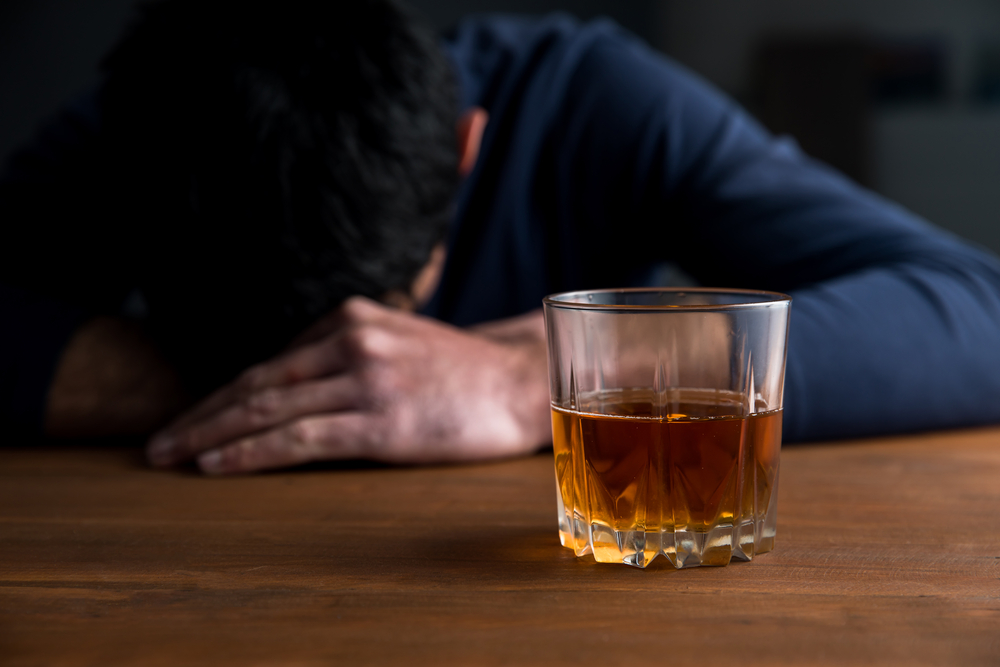
If anxiety won’t let you leave the house, if panic attacks stack up, if depression blunts appetite and sleep for weeks, or if thoughts of self‑harm appear, do not wait. Tell your therapist and medical provider immediately. A brief step up in care, whether to a day program or a few nights in a supportive environment, can prevent a crisis. If you are already in treatment and feel stuck, ask for a case consultation. A second set of eyes often spots an adjustment that moves things forward.
The long view
Recovery is not about becoming a different person. It is about becoming more yourself with fewer internal blockers. Anxiety and depression do not disqualify you from a good life in sobriety. They are signals. When you learn to hear them early and respond with skill rather than fear, they lose their grip.
The best alcohol rehab and drug rehab programs in Port St. Lucie don’t promise a mood‑free life. They promise tools, support, and honest feedback so you can live well with a human nervous system. If you are scanning options and feel overwhelmed, start with one call. Ask the hard questions. Notice how your body feels when you talk with the admissions team. Trust data and your gut. The right fit will not remove all discomfort. It will give you a place where discomfort becomes workable, and where recovery looks like a life you recognize as your own.
Behavioral Health Centers 1405 Goldtree Dr, Port St. Lucie, FL 34952 (772) 732-6629 7PM4+V2 Port St. Lucie, Florida